B2B and B2C businesses have different needs.
Today, I will break them down in regards to the Magento 2 platform and give you a detailed comparison of Magento 2 B2B vs. B2C to pick the correct one for your business wisely.
Overview of Magento B2B vs B2C in Ecommerce
Magento B2B stands for business 2 business operations, which focuses on selling to businesses.
On the other hand, Magento B2C stands for business 2 customers operations, which focuses on selling products to individual customers.
As the target audience of the business model is different, the features and functionality also change as what works for one doesn’t work for the other.
Magento is flexible enough to handle your business requirements, whether you are a small enterprise starting out or a large one considering Magento for your Ecommerce growth.
So, if a B2B or B2C business can run on Magento is out of question, but what differentiates them and what Magento 2 has to offer, let’s discuss.
Difference Between Magento 2 B2B and B2C in Ecommerce
Magento-specific Catalog Management
Magento 2 offers custom catalog management for B2B to create specific catalogs for bulk buyers, distributors, and wholesalers.
Where you can take specific actions towards a certain customer group, for example, you can hide specific products from wholesalers and make them only visible to bulk buyers.
On the other side, B2C follows a unified catalog that is accessible to all customers.
Payment & Checkout Processes
The checkout process for B2B is complex compared to B2C.
As the target audience of B2B businesses opts for bulk ordering, Magento 2 offers flexibility and different payment integrations like purchase orders, credit limits, bank transfers, and more to make the checkout faster.
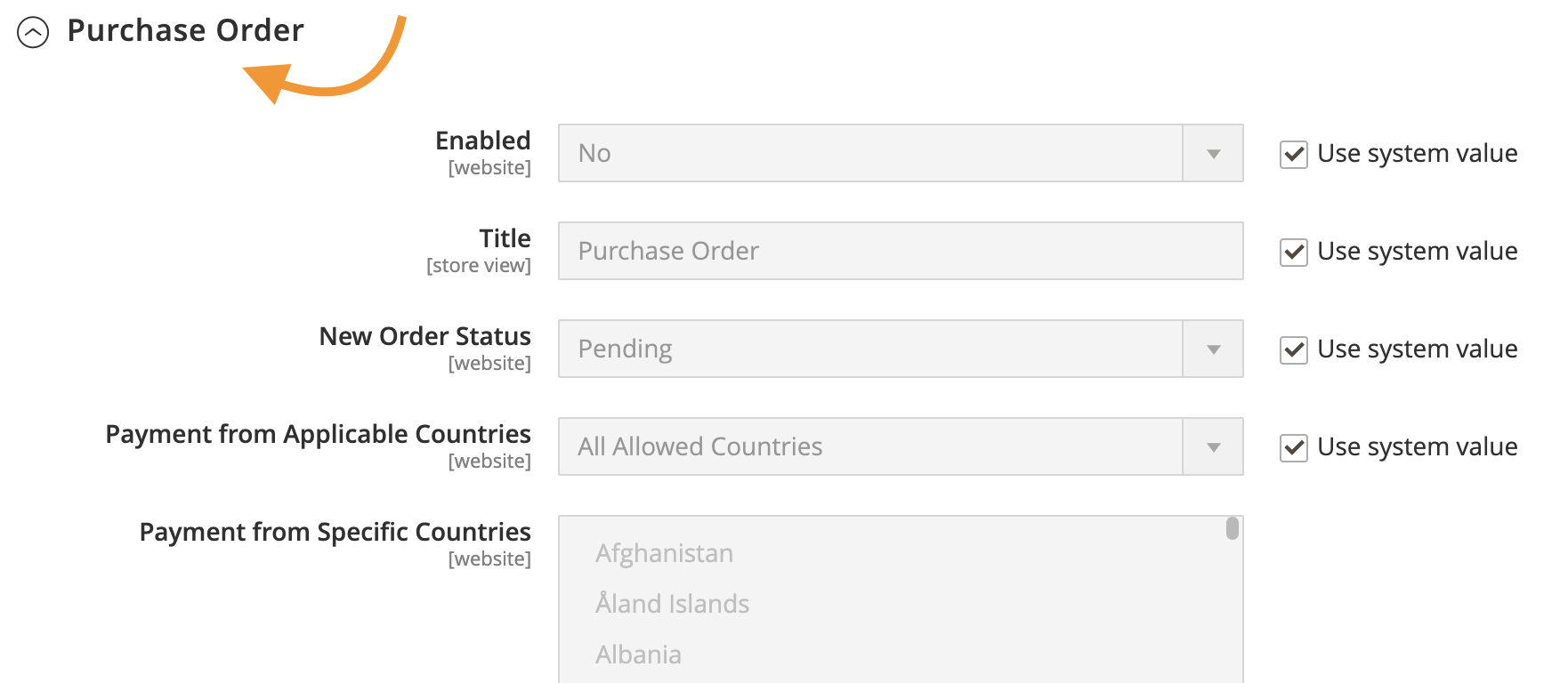
In the case of B2C, the checkout process is more straightforward, a one-page checkout with the standard payment options like credit or debit cards, UPI, or digital wallets. Here you can also allow guest checkout to reduce friction.
Account & Order Management
B2B businesses can allow their target audience to create multiple accounts and assign a role to them. For example, a manufacturer can create an account for its logistics team and assign them under logistics, giving them access to essential data.
At this time stage, a Magento B2B business can also offer custom pricing and set order approval if the order exceeds a specific value.
B2C works quite differently here. A customer can create a single account and don’t need to wait for any order approval. The pricing is generally fixed, but it can change when there is a discount or a sale.
Here is the a general differences between Magento Ecommerce B2B vs B2C
| Comparison | Magento 2 B2B Ecommerce | Magento 2 B2C Ecommerce |
| Market size | Smaller as compared to B2C | A wider and growing marketing |
| Target audience | Wholesalers, manufacturers, bulk buyers, distributors | Individual customers |
| Pricing | Opt for Adobe Commerce | Opt for Magento Open Source |
| Payment options | Supports a faster checkout process | Offer the standard payment process |
| Sales cycle | Longer sales cycle | Shorter sales cycle |
| Marketing strategies | Relationship-building and account-based marketing | Promotions, personalization, and campaigns |
Specific Magento 2 B2B and B2C Features
Let’s discuss some specific Magento 2 B2B and B2C features here:
Magento 2 B2B Features:
- Create a requisition list similar to a wishlist for B2B customers.
- Your target audience can request custom pricing quotes for their bulk purchase.
- Create region-specific stores using Magento’s multi-store functionality.
- Enable bulk ordering using SKUs or product names.
- Analyze customer interactions using built-in reports to optimize B2B strategies.
- Implement order approval workflows for orders exceeding a predefined quantity or value.
Magento 2 B2C Features:
- Add dynamic product attributes like color, size, design, etc., to enhance product listings.
- Segment customers based on location, purchase behavior, and business-specific criteria.
- Offer limited-period discounts and promotional campaigns tailored to B2B target campaigns.
- Identify customers who abandoned the cart and left
- Use advanced marketing tools for limited period deals, cart discounts, and loyalty programs.
While each has a different set of features, their sales cycle differs as well. B2B has a longer sales cycle with a lower conversion rate, and their marketing follows an account-based approach.
Whereas B2C has a shorter sales cycle but a higher conversion rate due to its marketing heavily focusing on promotions, discounts, gift cards, and more.
Magento B2B vs B2C Pricing Based on Business Needs
Magento offers 3 pricing editions: Magento Open Source, Magento Commerce, and Magento Cloud Edition.
| Magento Plans | Best for (market-size wise) | Magento B2B or B2C | Features |
| Magento Open Source | Small to medium businesses | B2C business | Multi-tier pricing, basic store management,& marketing tools |
| Magento Commerce | Large-scale businesses | B2B and B2C business | Customized catalog & price, quoting, add product specific rules, & more. |
| Magento Cloud Edition | Enterprise-level operations | B2B and B2C business | Scalable infrastructure, content staging, streamlined workflows, & more. |
When you are considering Magento for a B2B solution, Magento Commerce is an ideal solution.
It comes with advanced features for B2B business like creating dynamic rules from price rules and customer segments, creating exclusive offers for specific customer groups, working seamlessly with Google Tag Manager and Google Analytics for better tracking, and much more.
If you are planning to opt for Magento 2 B2C, then Magento Open Source is a budget-friendly solution if you are a startup or a small business owner.
The free open-source allows you to start your Ecommerce journey at an economical rate but can be limiting when you plan to grow.
While the Magento Cloud Edition is the expensive plan, only opt for it if you are working with a higher sales volume and need great flexibility.
How to choose between Magento B2B and B2C?
In this Magento B2B vs. B2C comparison, the winner is the one that meets your business needs.
Opt for Magento 2 B2B if you are selling to wholesalers, bulk buyers, and distributors. And opt for Magento 2 B2C if you are directly selling to customers.
While Magento 2 doesn’t have a different login or dashboard for B2B or B2C business, the admin dashboard is the same for all. The difference lies in the features you use in the admin panel.
Experience Magento 2 in Action for FREE and see the features in action.
Take Demo Now
Frequently Asked Questions
1. What is the main difference between Magento B2B and B2C?
The main differences are the features offered like bulk ordering, custom pricing, shared catalogs, and multi-user accounts for B2B. And personalizing, streamlined checkouts, and advanced tools for B2C.
2. Is there a difference in tax handling for Magento B2B and B2C?
Yes, the taxes are managed differently. B2B taxes include VAT, regional tax compliance and for B2C the customers are charged based on their location and tax rates.
3. Is Magento B2B or B2C more scalable?
Both B2B and B2C are highly scalable as Magento offers robust features for each to grow in their own ways.