When choosing an e-commerce platform, merchants often look for two things: power and proof.
The world’s leading enterprises and luxury brands consistently turn to Magento (now Adobe Commerce) because it offers unmatched flexibility, performance, and customization capabilities.
This guide showcases more than 10 Magento websites that are not just selling products, but enjoying store flexibility without breaking the bank.
Top Brands Using Magento: Quick Look
Below is the list of websites using Magento, along with their category and country.
| Brands | Category |
| Helly Hansen | Sportswear and gear |
| Ford | Automotive accessories |
| Björn Borg | Sports underwear |
| Jaguar | Luxury car manufacturer |
| Olympus | Optics and medical equipment |
| Christian Louboutin | Shoes and accessories |
| Coca-Cola (Mexico) | Beverage |
| Puma | Sportswear |
| Fred Perry | Fashion |
| Xerox | Document technology |
| Byredo | Fragrance and leather goods |
| Land Rover | Luxury SUV manufacturer |
| Liverpool FC | Football club store |
| Graze | Snack subscription service |
| Cox & Cox | Homewear products |
10+ Websites Using Magento in 2026
Let’s have a detailed look at the Magento website examples.
1. Helly Hansen
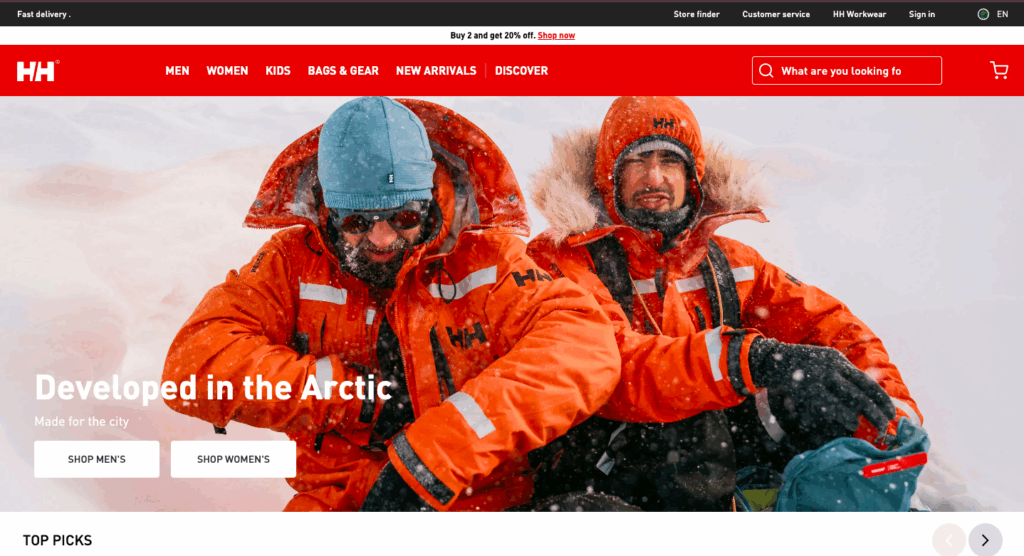
Helly Hansen uses Magento 2 (Adobe Commerce) as a global digital operating system, managing multiple regional storefronts with localized pricing, currencies, and tax settings from a single admin panel.
The platform handles a massive catalog of configurable products with extensive filtering options. It ensures high performance and scalability, maintaining site stability during peak traffic and marketing campaigns for a fast and reliable checkout experience.
2. Ford
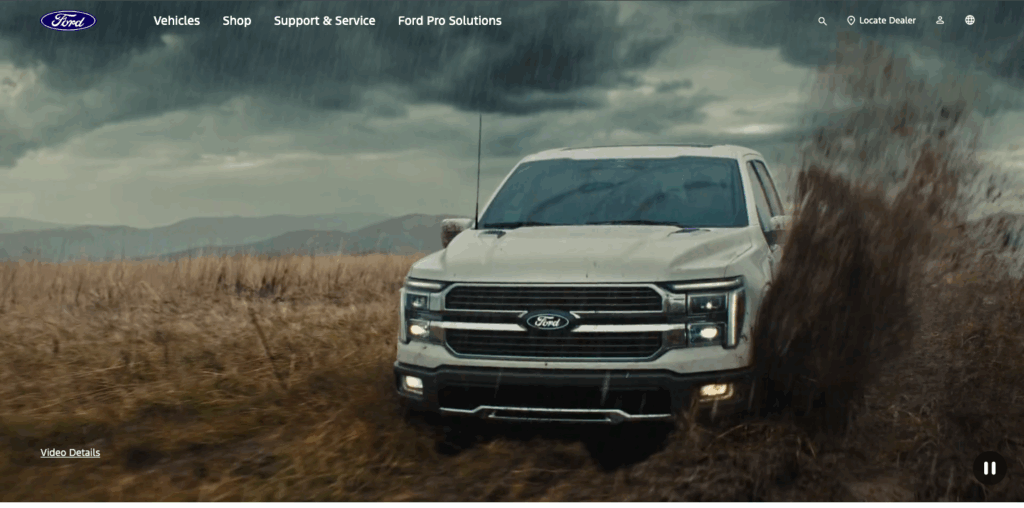
Ford, one of the world’s largest car manufacturers, uses Magento to power the retail side of its business, specifically managing the sale of thousands of complex vehicle accessories, parts, and brand merchandise. This implementation leverages Magento’s advanced catalog management features to create streamlined navigation for over 10,000 SKUs.
Furthermore, the platform helps to manage custom pricing models and specialized logic necessary to serve both B2B (wholesale) and B2C (individual consumer) needs efficiently under a single infrastructure.
3. Björn Borg
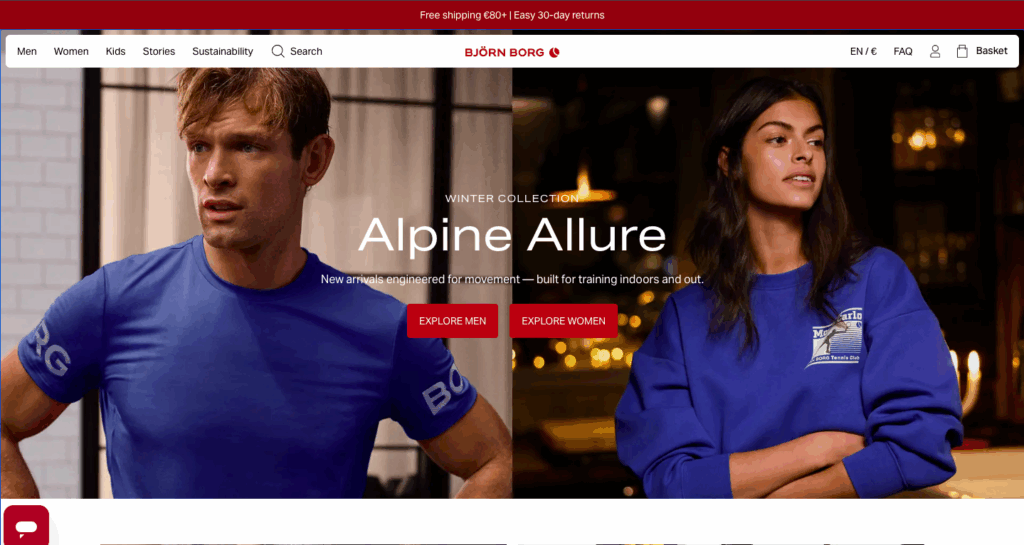
Björn Borg leverages Magento for its sportswear and underwear brand, enabling a visually appealing storefront and managing complex cross-border sales across multiple European and international markets.
Magento’s multi-store architecture enables Björn Borg to manage regional storefronts from a single admin panel, handling localized tax, currency, and shipping. This prioritizes performance and a responsive mobile experience, maximizing conversions from international mobile shoppers.
4. Jaguar
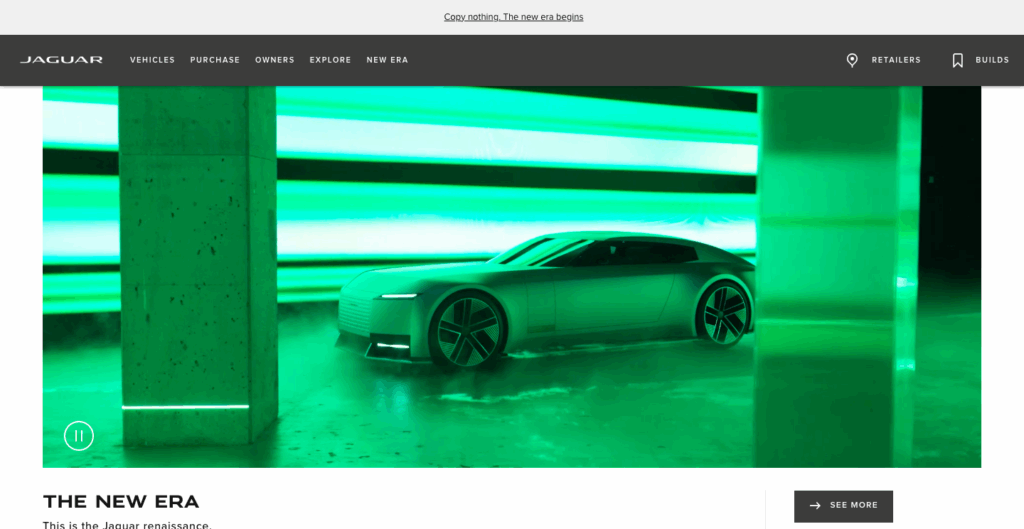
Jaguar leverages Magento to manage its online retail store for vehicle parts, accessories, and branded merchandise. The corporate site handles brand and vehicle marketing, while the Magento platform manages e-commerce for B2C and B2B.
Magento’s advanced catalog management ensures that shoppers only see compatible accessories for their specific vehicle model and year, improving accuracy and customer satisfaction.
5. Olympus
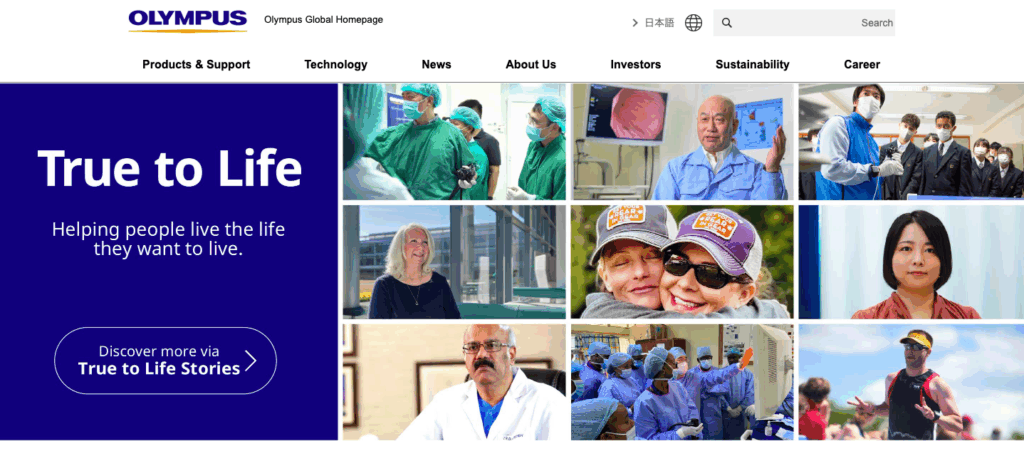
Olympus, a Japanese optical and medical equipment manufacturer, uses Magento (Adobe Commerce) for its e-commerce. The platform allows them to manage a large product catalog (cameras, lenses, medical devices) and supports multi-language/region functionality.
Magento’s scalability ensures a premium, user-friendly shopping experience consistent with Olympus’s reputation for precision and quality.
6. Christian Louboutin
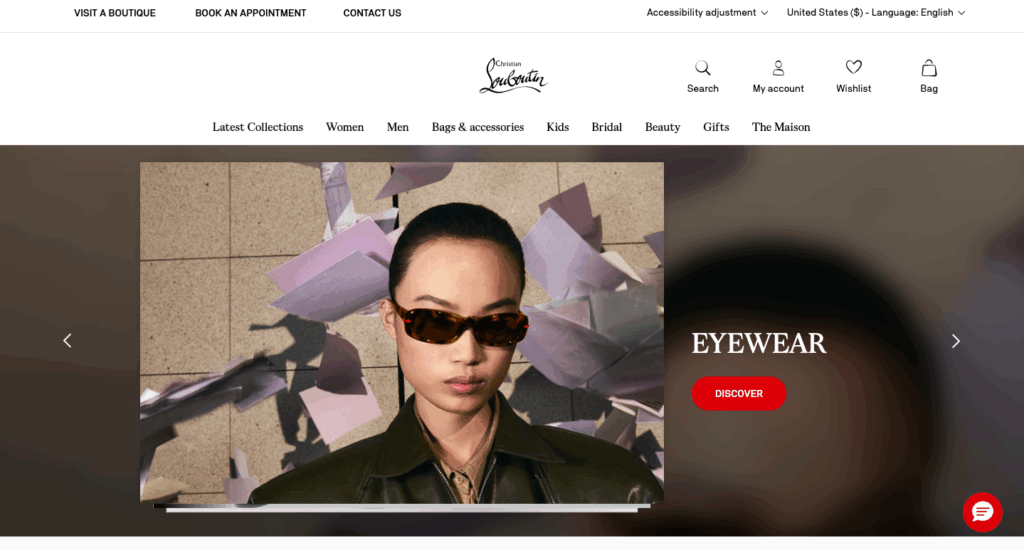
Christian Louboutin, the iconic French luxury brand known for its signature red-soled shoes, uses its U.S. website as an online boutique for premium footwear, handbags, and beauty products. Built with Magento, it offers a minimalist design, high-quality visuals, and an intuitive shopping experience.
The Magento-powered site provides a scalable, luxury online presence, supporting multi-region/currency operations, advanced filtering, and secure checkout, consistent with the brand’s identity.
7. Coca-Cola (Mexico)
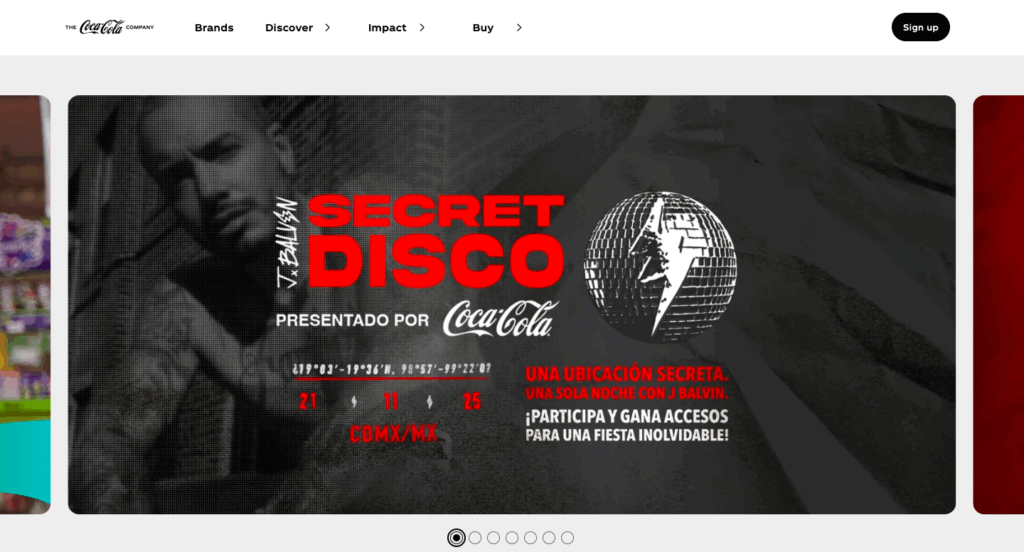
Coca-Cola (Mexico) operates its D2C platform using Magento, allowing consumers to order beverages directly to their homes, including subscription options.
The site leverages Adobe Experience Cloud tools for personalized experiences, segmentation, and targeted marketing, contributing to a 36% increase in revenue 89% conversion rate among re-engaged shoppers. This setup ensures scalable, efficient, and engaging e-commerce for the Mexican market.
8. Puma
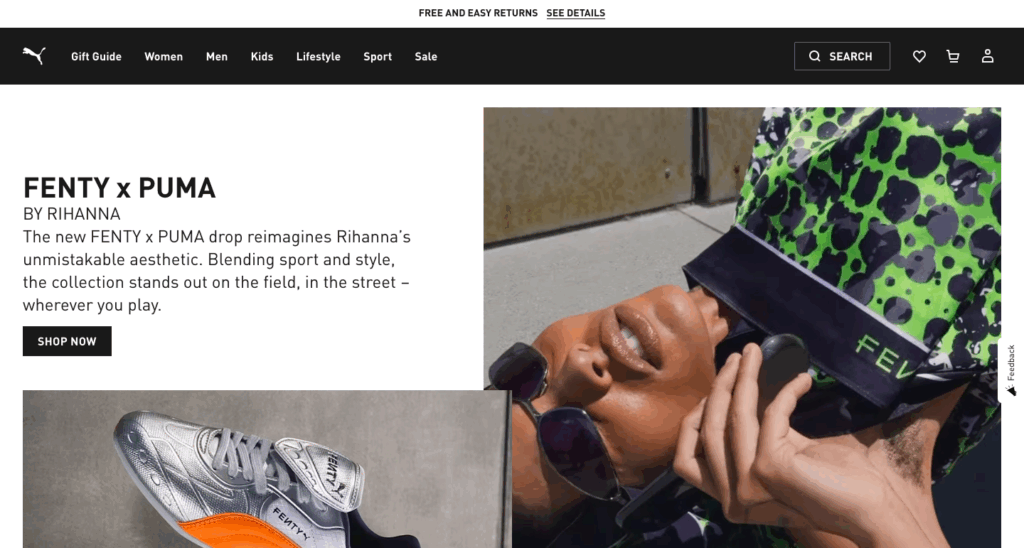
PUMA, a global sportswear brand, uses Magento 2 for its e-commerce site, offering a seamless shopping experience with catalogs, promotions, secure checkout, and responsive design.
Offering personalized shopping experiences in line with their direct-to-consumer strategy. Its scalability aids market growth, and PWA integration improves mobile performance with an app-like experience.
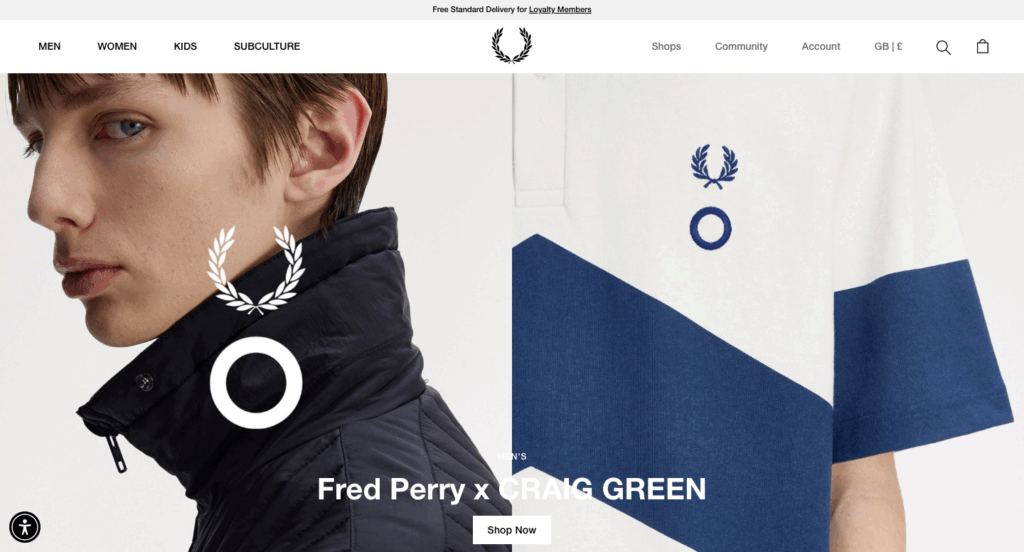
9. Fred Perry
Fred Perry, the iconic 1952 British fashion brand, uses Magento Open Source for its universal website. Offering men’s, women’s, and kids’ apparel, including Made in England items and designer collaborations, the platform is hosted on AWS for scalability and performance.
Features like a comprehensive catalog, loyalty program, and international shipping provide a premium online experience, upholding brand heritage.
10. Xerox
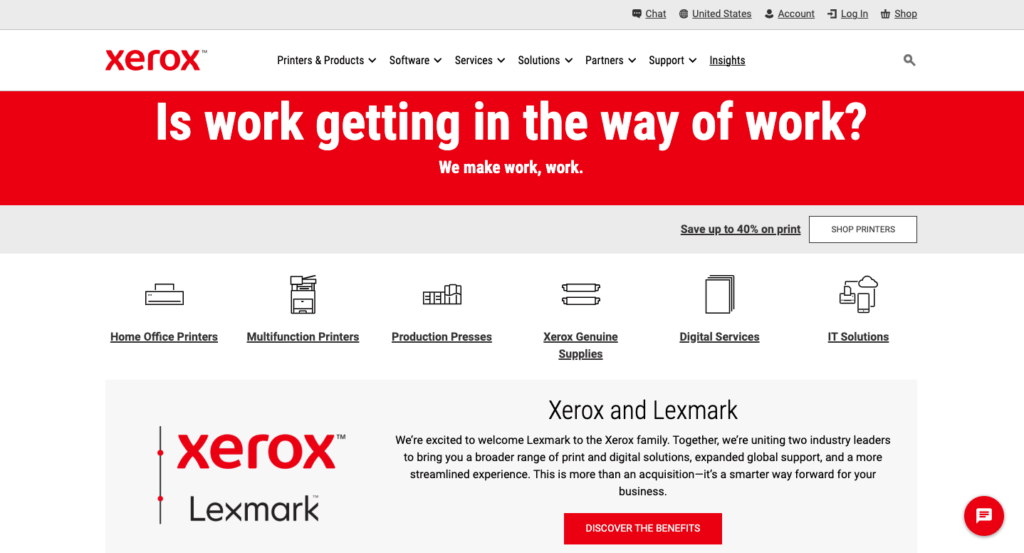
Xerox, an international leader in workplace and digital printing solutions, uses Magento to power its e-commerce platforms, including the Xerox Elite Storefront. The site serves both B2B and B2C customers, offering printers, multifunction devices, software, and consumables.
XMPie uStore integration enables web-to-print personalization, streamlining custom print orders. Magento offers a secure, scalable, and efficient shopping experience, aligning with Xerox’s commitment to innovative digital solutions.
11. Byredo
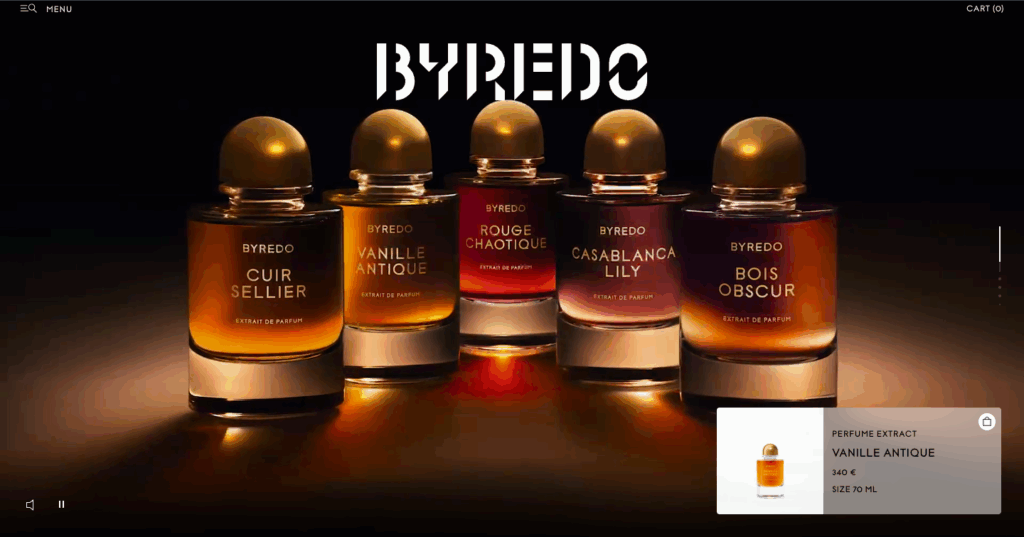
Byredo, the Swedish luxury brand known for fragrances, home products, and leather goods, operates its European e-commerce site on Magento 2. The platform provides a scalable shopping experience with multi-currency support, localized content, and a responsive design.
Magento 2 enables Byredo to efficiently manage and support international operations, contributing to significant growth in transactions and average order value.
12. Land Rover
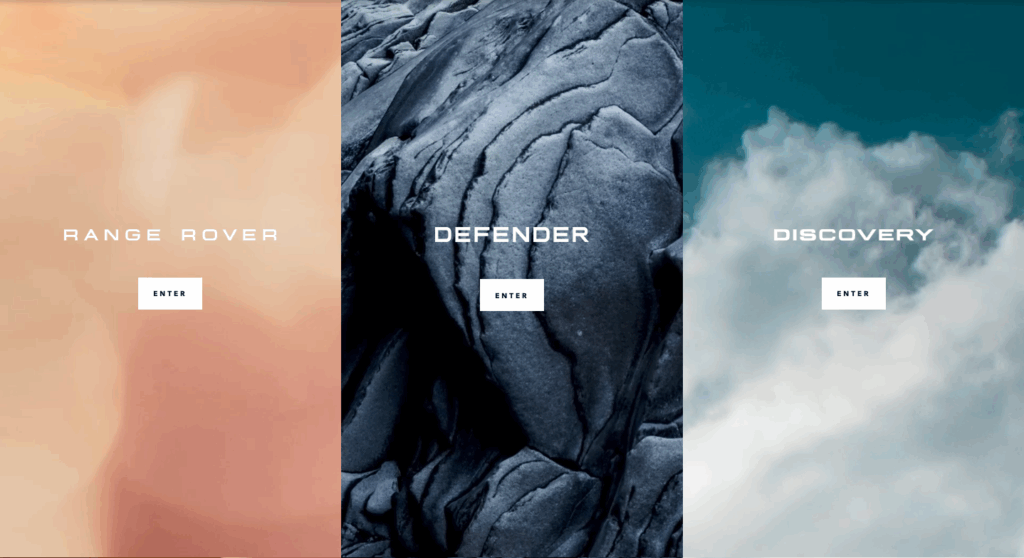
Land Rover, the arm of the British luxury SUV brand, uses Magento to power its e-commerce platform. The site lets users explore and configure models like Range Rover, Discovery, and Defender, view specifications and pricing, and access services such as test drive bookings and dealer locations.
Magento enables a smooth experience, supporting both B2C and B2B operations while ensuring scalability for the all market.
13. Liverpool FC
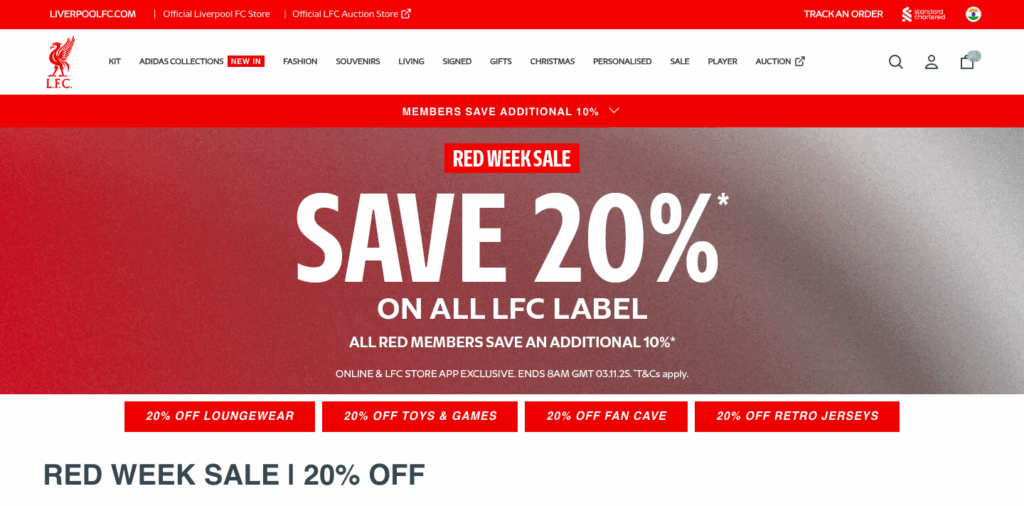
Liverpool FC, one of the world’s most storied football clubs, operates its worldwide e-commerce platform using Magento 2. The site offers official merchandise, including home and away kits, training gear, accessories, and exclusive memorabilia for fans worldwide.
Magento handles high-traffic events like product launches and match days while enabling fan engagement, helping Liverpool FC connect globally and showcase its rich heritage.
14. Graze
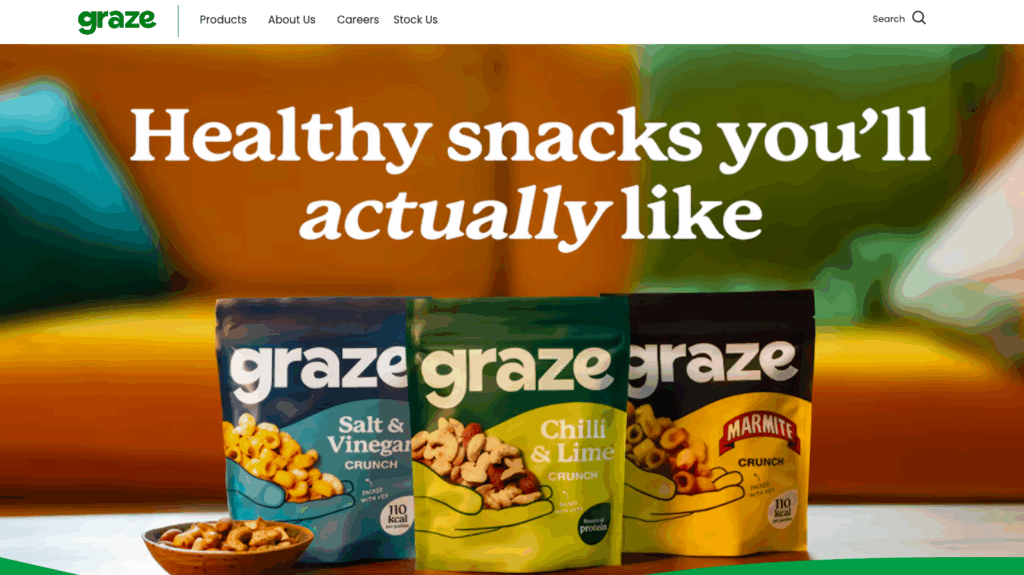
Graze, a UK-based snack company, offers over 100 healthy snacks through subscription boxes and online orders. The site runs on Magento 2 Enterprise Edition, providing a responsive, user-friendly shopping experience.
Magento manages seamless ordering, contributing to significant growth, including £3 million in incremental sales within the first year of launch.
15. Cox & Cox
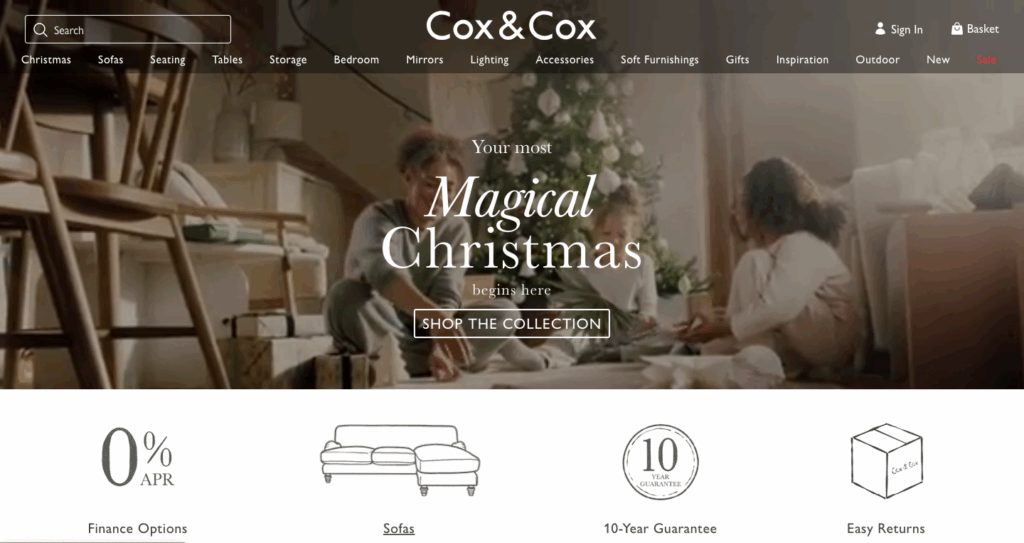
Cox & Cox is a UK-based homeware and furniture retailer offering a curated selection of products, including furniture, lighting, and décor, through its online store. To enhance its e-commerce capabilities, Cox & Cox migrated from Magento 1 to Magento 2.
Replatforming yielded a 2,296% ROI in six months. The upgraded platform offers a mobile-first design, better checkout, and improved operational efficiency, supporting growth and customer engagement.
Start Your Magento Journey
The analysis of these Magento websites provides clear proof of the platform’s unmatched capacity to manage complex international storefronts and enable luxury retail. It’s an engine for all enterprises, built for transactions, complex inventories, unified operations, and high-performance digital experiences.
The evolution from Magento 1 to Magento 2 highlights the platform’s advancements, making it clear that if your brand requires a robust solution for complexity and growth, now is the time to start your Magento journey.
We help you create a high-performing, scalable, and secure Magento 2 store.
Talk with Us